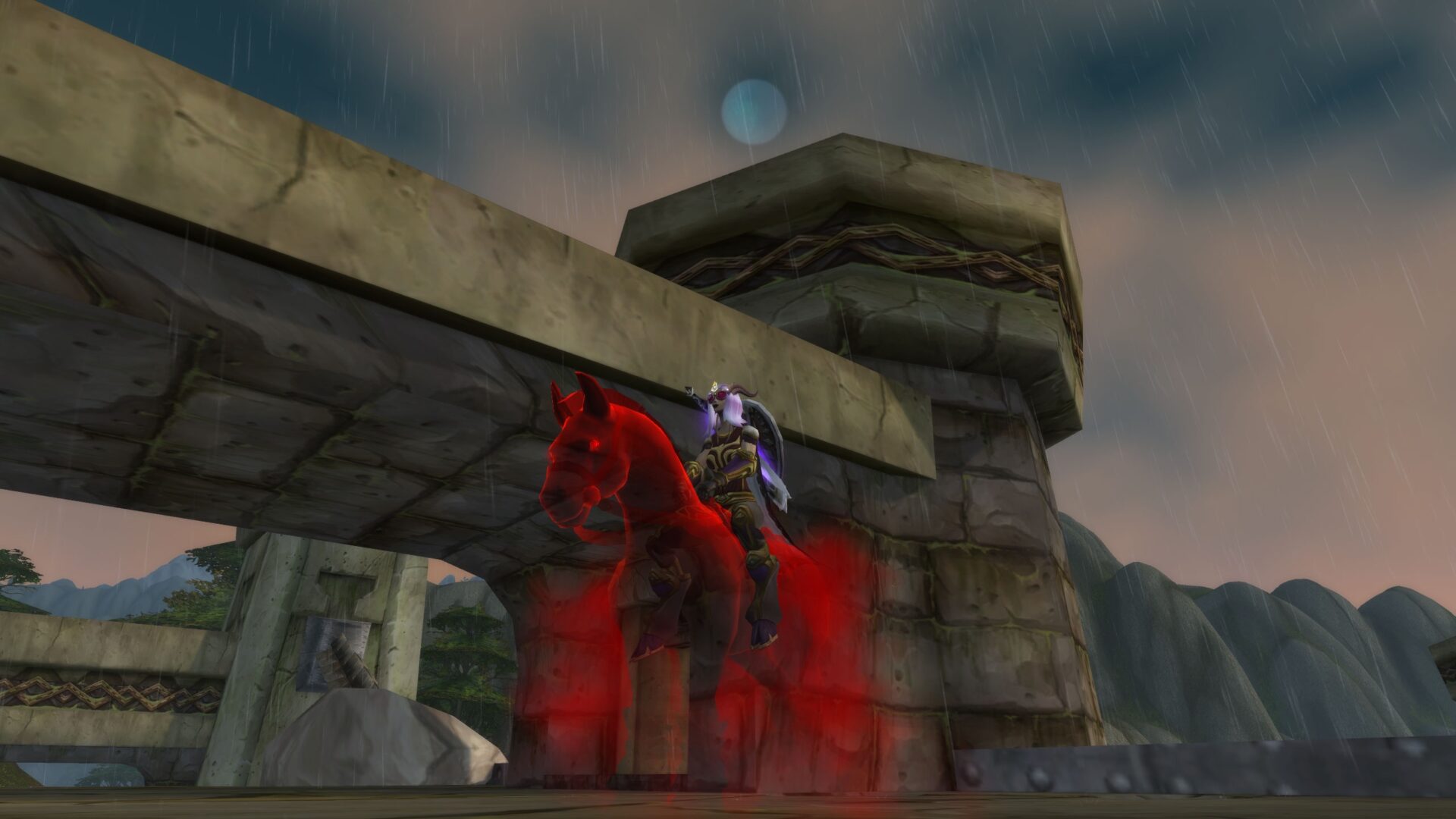
Introduction: The Importance of Class Balance
World of Warcraft (WoW) has always been defined by its class-based system. Players choose from a diverse set of classes, each with its unique abilities, strengths, and playstyles. However, achieving balance between these classes is one of the most difficult challenges WoW’s designers face. Over the years, Blizzard has continuously adjusted the classes to ensure that no single class dominates others, while also giving each class a distinctive identity. In this article, we will explore the challenges Blizzard faces in balancing the classes and the triumphs they’ve achieved in keeping WoW’s gameplay fair and fun for all players.
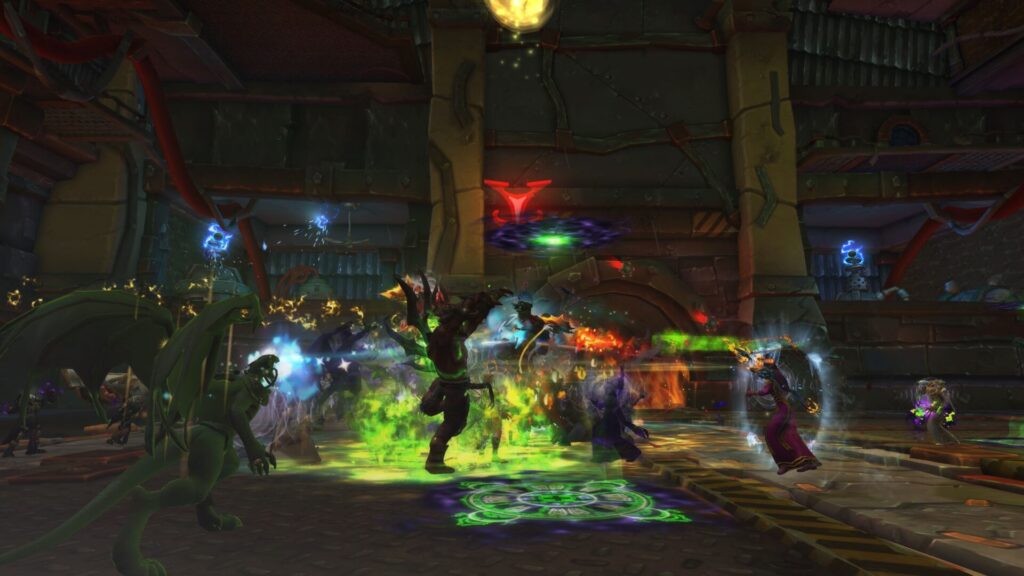
The Challenge of Class Identity
One of the core challenges in designing classes for WoW is ensuring that each class has a unique identity, both in terms of gameplay mechanics and flavor. While players want each class to feel powerful and effective, they also want each one to offer a distinct experience. Finding the right balance between making classes feel powerful while still ensuring that no class feels overpowered is a delicate task.
Creating Unique Playstyles
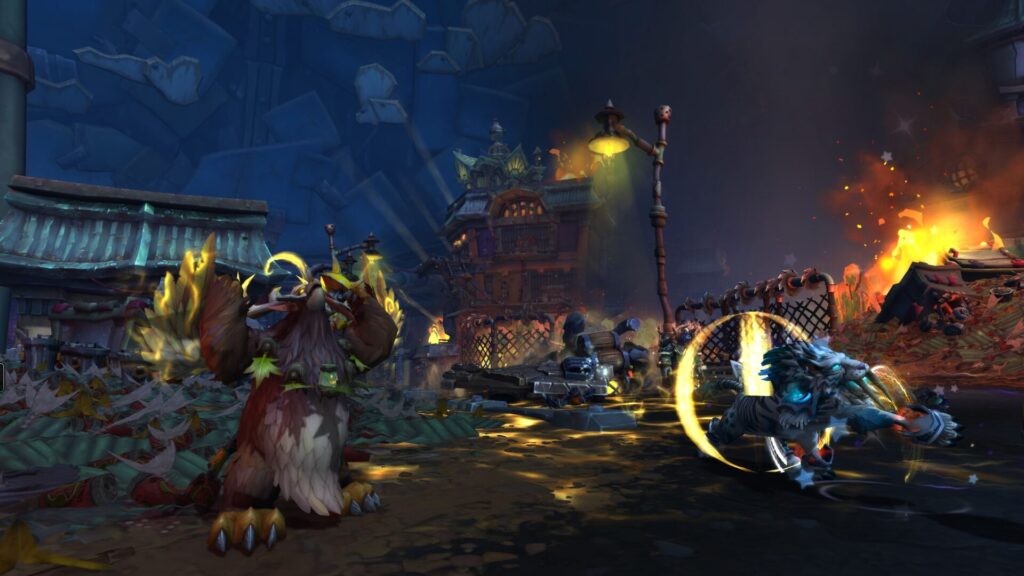
Each class in WoW has its own unique set of abilities and playstyles, which are designed to give players a distinct experience. Whether it’s the tactical positioning of the Rogue, the healing power of the Priest, or the massive damage output of the Mage, each class brings something different to the table. Maintaining these differences without making one class feel superior to another is a challenge that WoW’s design team has tackled with each expansion.
Class Roles and Design
- DPS (Damage Dealers) – Classes like the Hunter, Mage, and Warlock are designed to deal as much damage as possible, but each does so in a different way.
- Tanks – Tanks like the Warrior and Death Knight are designed to absorb damage and control enemy mobs, allowing other players to deal damage safely.
- Healers – Classes like the Druid, Priest, and Shaman focus on restoring health to other players, each with their own methods and strengths.
The Constant Balancing Act: Patches and Updates
Class balancing is an ongoing process. With every expansion, Blizzard makes adjustments to class abilities, talent trees, and overall power. Sometimes, these changes are met with praise; other times, they result in controversy. One of the biggest challenges for the WoW design team is ensuring that these updates don’t favor one class over another, while still keeping the gameplay fresh and exciting for players.
Popular Balancing Changes in Recent Expansions
- Legion (2016) – The introduction of the Artifact weapons allowed for greater customization of class abilities, but also led to some classes being considered more versatile or powerful.
- Battle for Azeroth (2018) – Major changes to the talent system and the introduction of Allied Races gave each class new tools to differentiate themselves, though some classes were still seen as stronger than others.
- Shadowlands (2020) – The Covenant system introduced significant changes to class abilities, offering new powers and abilities that resulted in some classes outperforming others in specific roles.
The Triumphs of Class Balance: Achieving Fairness
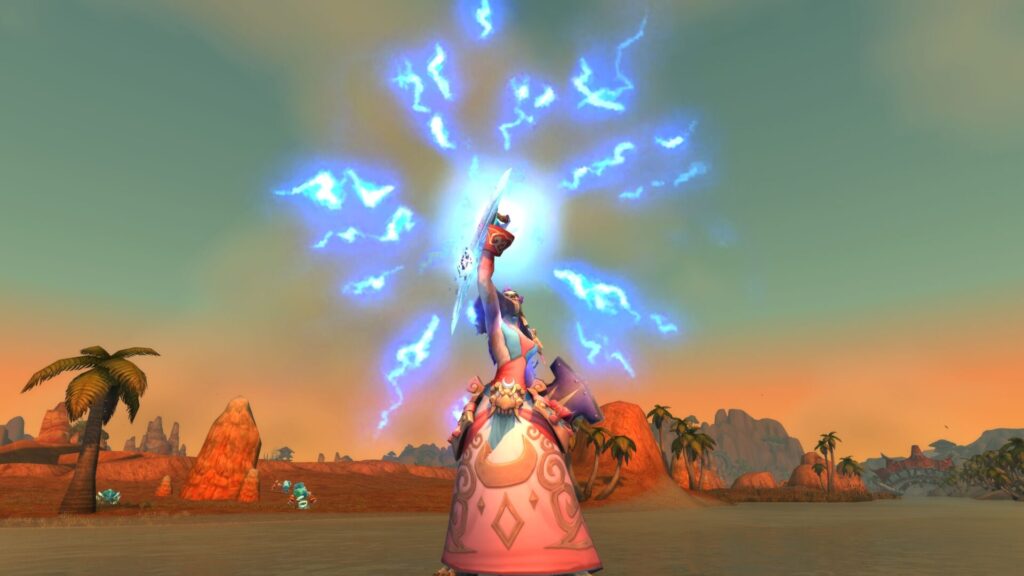
Despite the challenges, WoW has seen numerous successes in balancing its classes. Each class is able to perform a specific role in group content, and no single class completely outshines the rest. While some classes may dominate in certain situations, the overall experience of the game remains balanced and rewarding for players across all playstyles. Blizzard’s commitment to regular updates and fine-tuning ensures that WoW’s class balance remains dynamic and fair.
Examples of Successful Class Balance
- Role Flexibility – Classes like the Druid and Paladin, which can perform multiple roles (DPS, Tank, and Healer), offer flexibility while maintaining balance.
- Raid and Dungeon Viability – No class is truly useless in end-game content, ensuring that all players have a role in dungeons and raids.
- Competitive PvP – WoW’s PvP system, which often sees adjustments based on class performance, ensures that no single class can dominate the player-vs-player content for long.
Conclusion: The Ever-Evolving Class Landscape
Class balancing in WoW is an ongoing challenge that requires constant adjustments and fine-tuning. With each expansion, Blizzard works to ensure that the game’s classes remain distinct, powerful, and, most importantly, fair. While there will always be debates over which class is the strongest, WoW’s ability to offer a balanced and enjoyable experience for all players remains one of the game’s greatest achievements. As the game continues to evolve, the challenge of maintaining class balance will remain central to WoW’s design philosophy.
Home
Leave a Reply