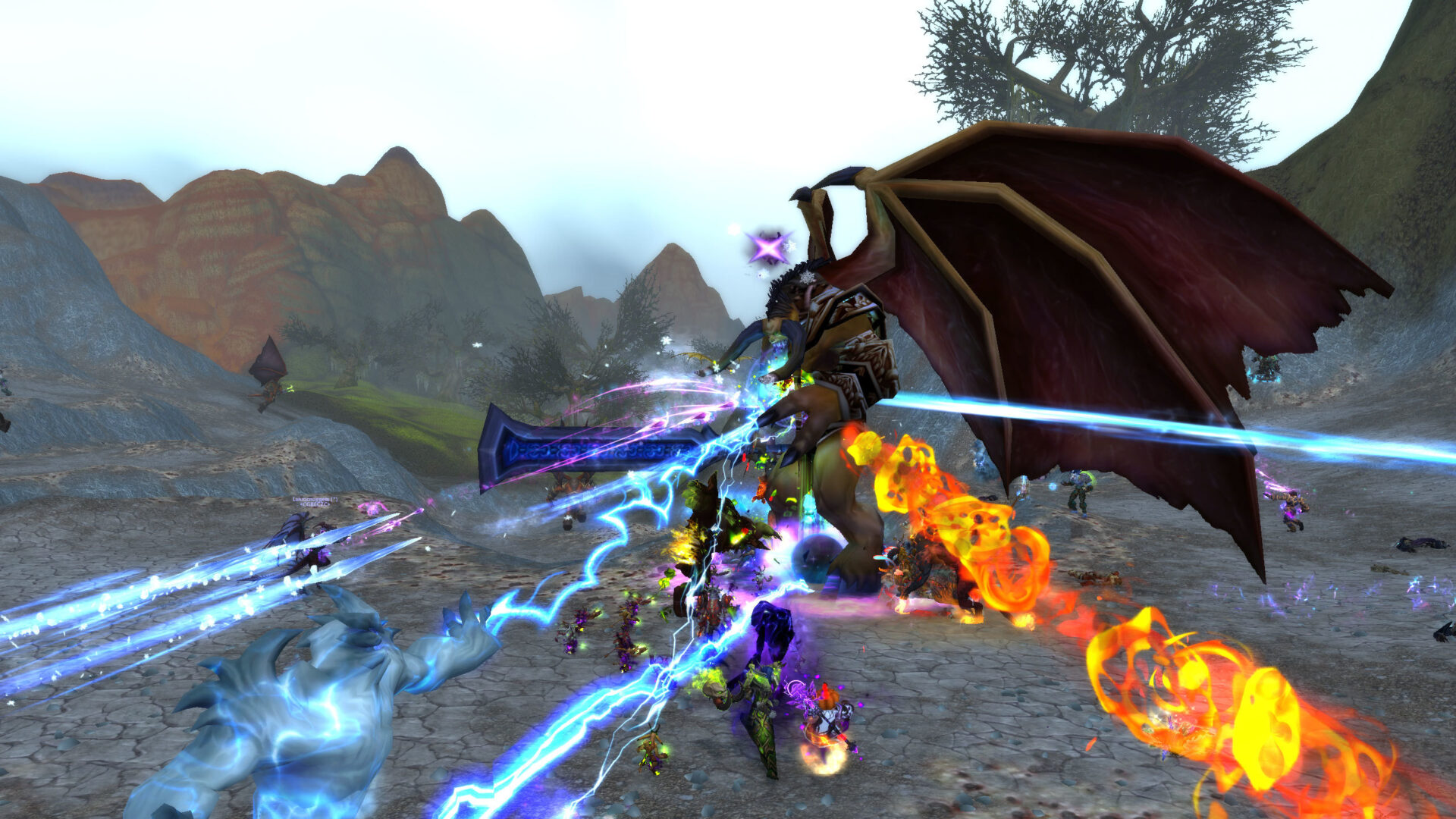
Two decades after its release, World of Warcraft still manages to unite players through one of its oldest traditions—the hunt for world bosses. From the chaos of Classic’s Kazzak kills to the coordinated strikes in Dragonflight, these colossal enemies continue to draw hundreds of players into spontaneous cooperation. They’re more than encounters—they’re community rituals that remind everyone what makes Azeroth feel alive.
This article explores why world bosses endure as one of WoW’s most powerful social experiences, and how they continue to define what it means to play together in a shared world.
The Origins of World Bosses
In Classic WoW, the first world bosses—like Azuregos and Lord Kazzak—were events of chaos and wonder. Without cross-realm grouping or scheduled respawns, players relied on rumors, scouts, and luck. Guilds competed for spawns, servers erupted into faction wars, and entire cities emptied as everyone raced to claim victory. These encounters embodied the unpredictable beauty of early MMOs: no scripts, no instancing, just shared moments that could only happen once.
World bosses weren’t designed to bring order—they were designed to bring people.
The Social Alchemy of Chaos
Unlike raids or dungeons, world bosses demand large-scale coordination without formal structure. Dozens of strangers converge with a shared purpose, communicating through shouts, emotes, or instinct. Even after 20 years, that spontaneous teamwork feels magical. It breaks the routine of solo play and reminds players that Azeroth is, at its core, a community. The boss may be the target, but cooperation is the real victory.
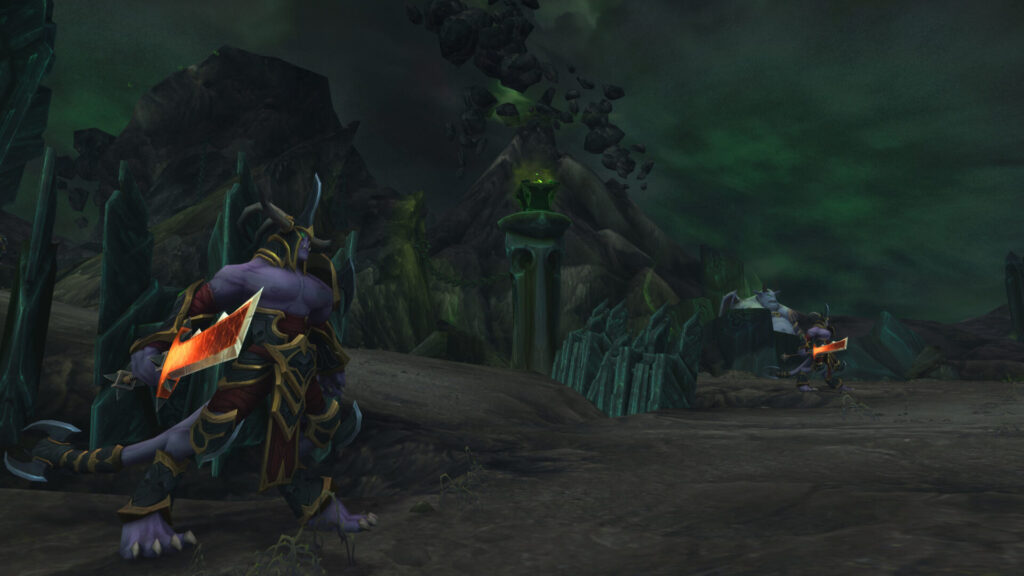
Every pull becomes a story told by a hundred participants at once.
From Kazzak to Dragonflight
Each expansion reshaped the concept of world bosses without erasing their communal essence. In Burning Crusade, Doom Lord Kazzak roamed Outland; in Wrath, Archavon became a cross-faction competition; in Dragonflight, rotating primal bosses continue the tradition in modern form. What’s remarkable is not their mechanics, but their consistency—every era, players still gather, shout, and celebrate as if it were 2004 again.
In a world that’s changed endlessly, the ritual remains the same.
| Expansion | Notable World Boss | Community Impact | Legacy |
|---|---|---|---|
| Classic | Lord Kazzak | Server-wide rallies and faction wars | Defined early MMO cooperation |
| The Burning Crusade | Doomwalker | Introduced open-world loot competition | First outdoor raid-style boss |
| Mists of Pandaria | Sha of Anger | Daily community gatherings | Reinvented open-world raiding |
| Legion | Nathanos Blightcaller (Event) | Cross-faction participation | Blended lore and cooperation |
| Dragonflight | Primal Incarnates | Dynamic scaling and weekly rewards | Modern persistence of old traditions |
The Psychology of Shared Triumph
World bosses succeed because they reward collective accomplishment. Even without exclusive loot, players join for the sense of belonging. The chaos of dozens attacking a single foe, the sight of spell effects lighting up the horizon, and the mutual celebration after victory—all create emotional memory. It’s the difference between winning alone and winning together. That shared energy, even among strangers, is why players return every week.
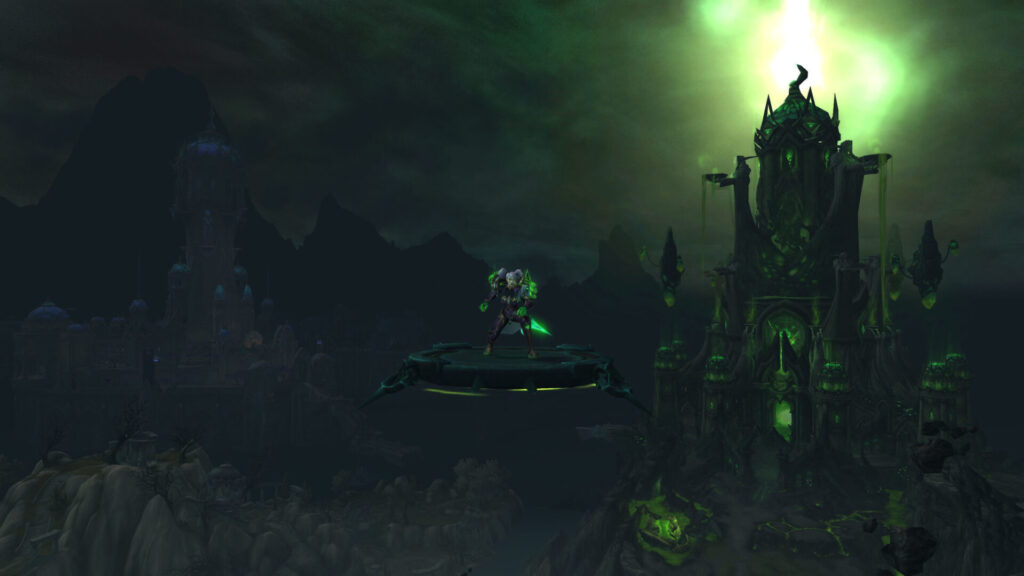
For a few moments, everyone’s part of something bigger than themselves.
Cross-Faction and Cross-Realm Unity
With cross-faction grouping and modern technology, world bosses now transcend barriers that once divided players. Horde and Alliance fight side by side, united by purpose rather than rivalry. This shift represents more than convenience—it’s symbolic of how WoW has evolved socially. The very battles that once divided players now bring them together, showing that cooperation is the truest form of conquest.
The world may still be divided by story—but not by players.
Legacy and Modern Relevance
After twenty years, world bosses endure because they deliver what few systems can: immediacy. They require no queue, no plan—just presence. They represent the heartbeat of the living world, reminding veterans and newcomers alike that Azeroth thrives not in solitude but in shared experience. In every expansion, world bosses are the moment the entire server breathes together.
They are proof that community, not content, is WoW’s greatest design.
Conclusion
World bosses have stood the test of time because they capture the essence of MMOs: unpredictability, cooperation, and spectacle. From Lord Kazzak’s taunts to the primal roars of Dragonflight’s giants, each encounter rekindles the same spark that started it all. They are less about the kill and more about the gathering—the simple act of showing up, together. In an age of raids and timers, world bosses remain WoW’s truest community event.
Because in Azeroth, the greatest victories are never won alone.
Leave a Reply