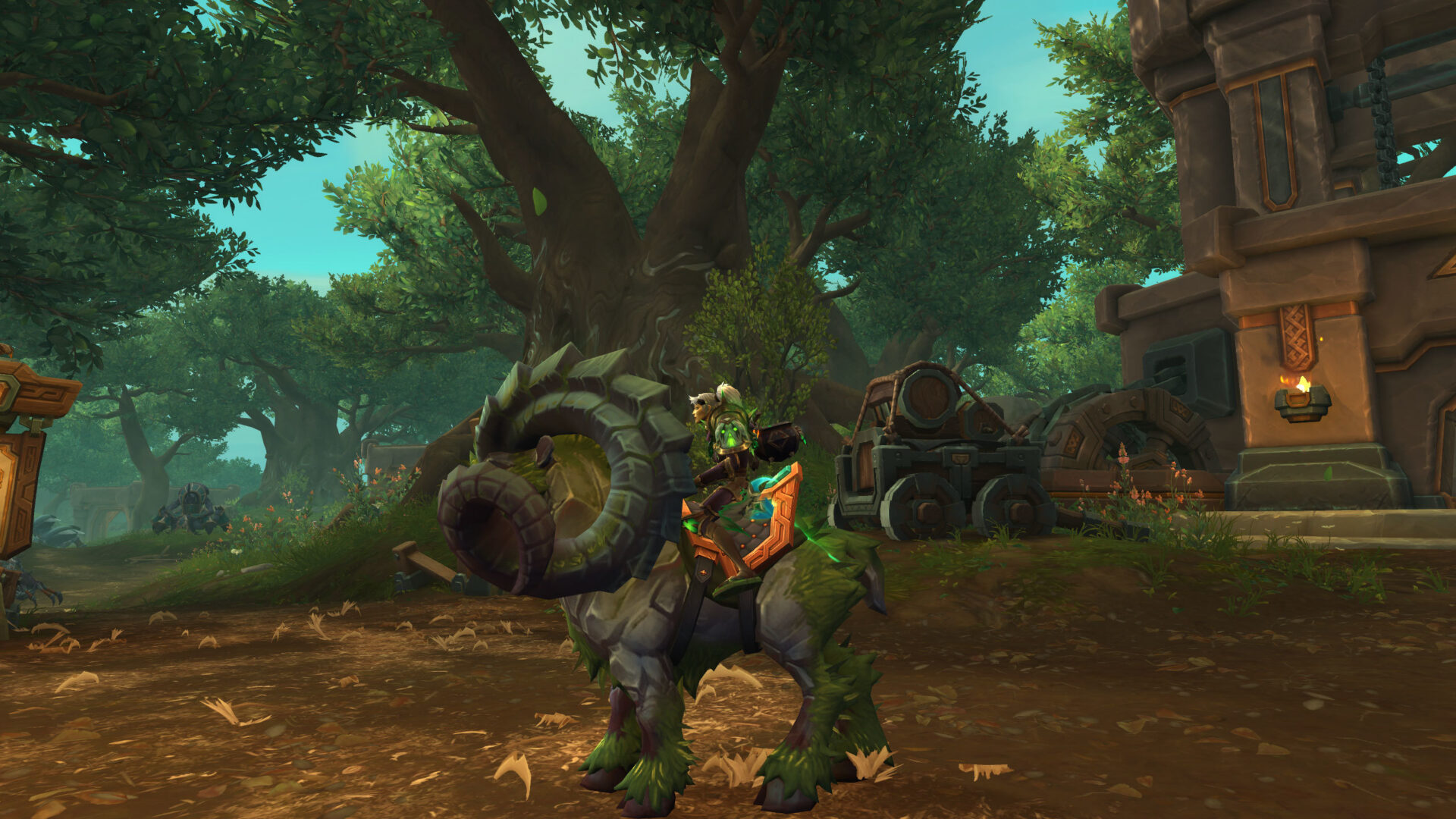
Throughout Azeroth, monuments stand as silent witnesses to ages of conflict. Each statue, tomb, and ruin tells a story—not of glory alone, but of sacrifice, grief, and remembrance. World of Warcraft’s world design often hides history in plain sight, using memorials to preserve the emotional gravity of war long after the fighting ends.
This article journeys through some of Azeroth’s most meaningful memorials, uncovering the narratives they preserve and exploring how these virtual monuments connect players to the legacy of their world.
Remembering Through Design
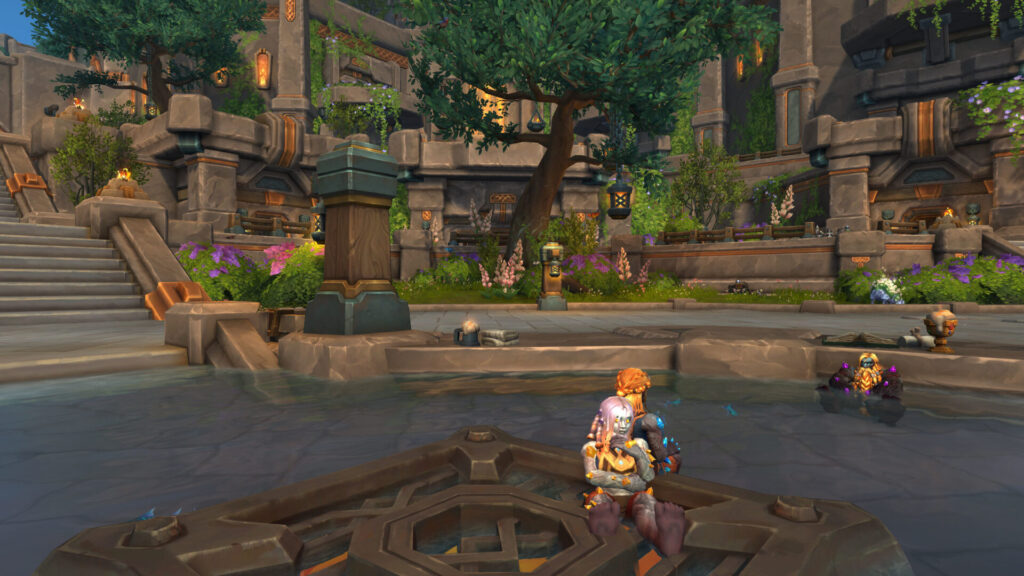
Blizzard’s approach to memorials in WoW isn’t limited to statues or plaques. Many are environmental tributes—ruined forts, crumbled battlements, or lone banners fluttering over forgotten fields. These details transform landscapes into living history books, where geography itself remembers.
Each memorial is carefully placed, using lighting, sound, and architecture to evoke emotion. Whether it’s a battlefield overgrown with flowers or a tomb surrounded by candles, these sites invite reflection rather than conquest.
Notable Memorials Across Azeroth
The table below highlights some of the most symbolic war memorials in the game and the stories they carry:
| Location | Memorial | Significance |
|---|---|---|
| Stormwind City | Heroes’ Vigil | Honors Alliance soldiers fallen during early wars. |
| Orgrimmar | Valley of Spirits Shrine | Commemorates fallen Horde leaders and shamans. |
| Teldrassil Ruins | Ashen Remembrance | Symbol of loss after the Burning of Teldrassil. |
| Icecrown Citadel | Light’s Rest | Tribute to those who fought and fell against the Scourge. |
| Pandaria | Serpent’s Spine Memorial | Represents unity forged in the face of shared suffering. |
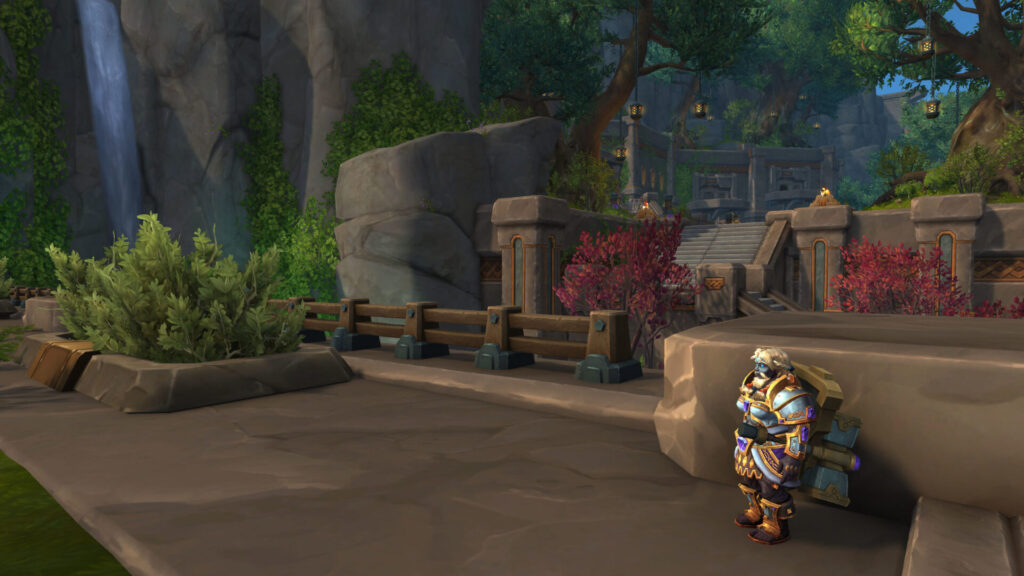
These sites serve as anchors of collective memory, transforming virtual landscapes into timeless memorial grounds.
Player Memorials: When Real Life Meets Virtual Tribute
Some monuments aren’t just lore-driven—they honor real people. Blizzard has occasionally immortalized players and developers within the game. From the Shrine of the Fallen Warrior in Barrens to tributes like Robin’s Rest in Elwynn Forest, these moments blur the boundary between fiction and reality.
Such memorials stand as reminders that behind every hero model is a person who laughed, raided, and lived within Azeroth. These tributes make the game’s world more human and deeply emotional.
The Emotional Architecture of Loss
Blizzard’s environmental storytelling ensures that war memorials evoke tone through visual language. The use of light, fog, and sound transforms silent scenes into spaces of mourning. A dim glow over a fallen weapon, distant horns echoing through ruins—each cue reinforces the reverence of loss.
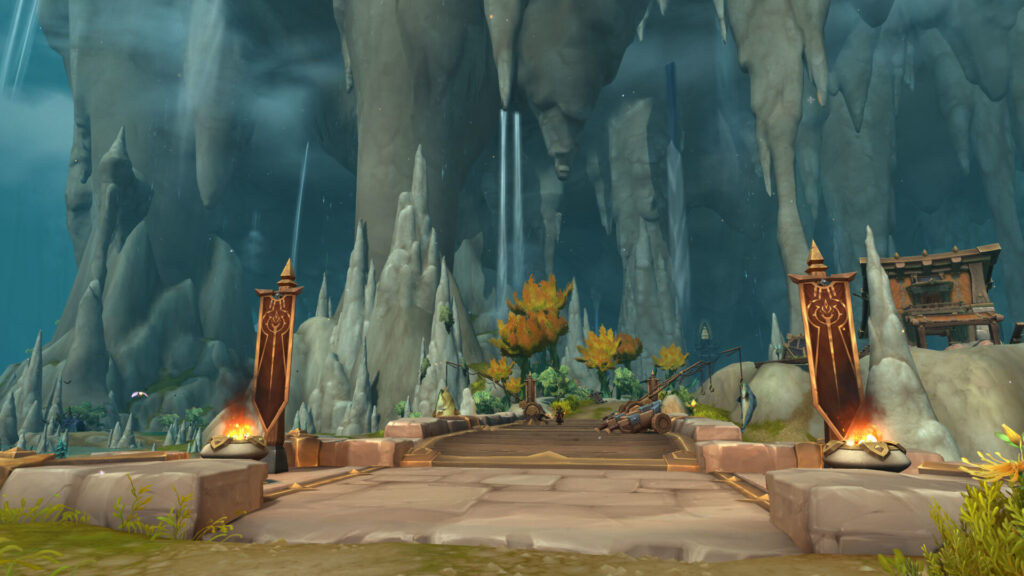
Unlike quest hubs or dungeons, memorials don’t demand action—they invite presence. Their design reminds players that history is not forgotten; it’s etched into the world’s foundation.
War, Memory, and Identity
Warcraft’s lore is built on conflict, but its memorials emphasize the human (and orcish, elven, or taurish) cost behind that conflict. Visiting these sites creates a deeper sense of belonging and perspective. For roleplayers and lore enthusiasts, they’re sacred spaces for reflection on what it means to fight for cause, faction, and identity.
In a genre focused on conquest, WoW’s memorials quietly champion remembrance and empathy—a rare balance of emotion and design.
Conclusion
Azeroth’s war memorials are more than decorative ruins—they are emotional punctuation marks in the story of its world. They remind players that every victory carries a cost and that memory is as vital to world-building as battle.
In exploring these places, players become not just adventurers but witnesses to legacy, ensuring that the sacrifices of the past—fictional or real—are never forgotten.
Home
Leave a Reply